
Writing
"If you want to change the world, pick up your pen and write.” – Martin Luther King
Oracy
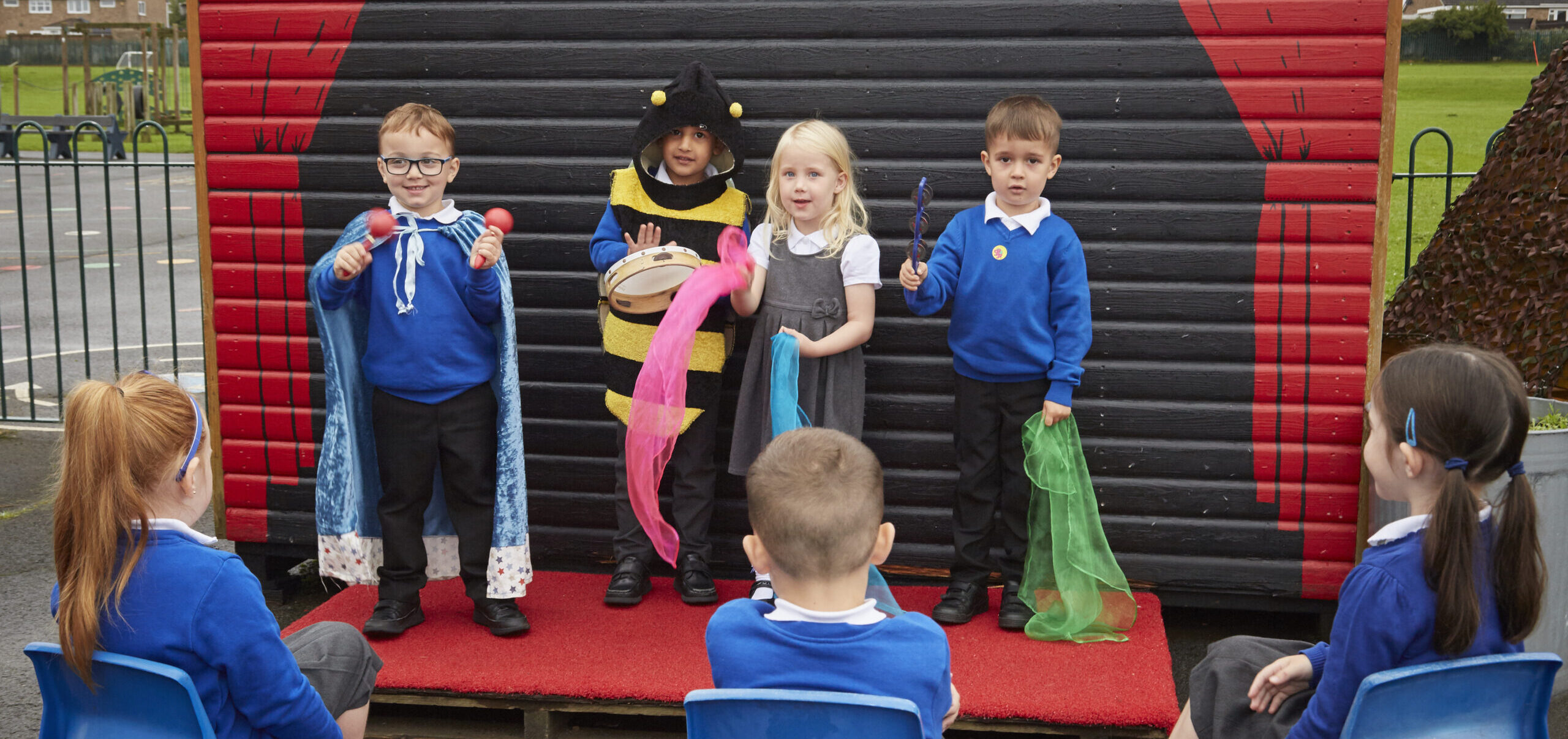
Speaking clearly, audibly and confidently using appropriate language are essential life skills for our children to succeed. Throughout our school, we promote positive high-quality speech with all our members of staff modelling this. From our youngest children learning to ask appropriate questions and express themselves to debates, presentations, drama and poetry, oracy is embedded in our curriculum.
Oracy begins right from the start in EYFS with back and forth conversions, teaching good listening skills and reading a wide range of stories. Reception and Year 1 build on this using the Talk through Stories approach to give opportunities for children to develop their vocabulary further and express their ideas and feelings. KS2 develop their speaking and listening skills by taking active part in debates and presentations across the curriculum as well as English lessons with stem sentences used to support children to express themselves clearly and with confidence. Drama is used to consolidate learning and children are also given opportunities to speak to different audiences.
Writing
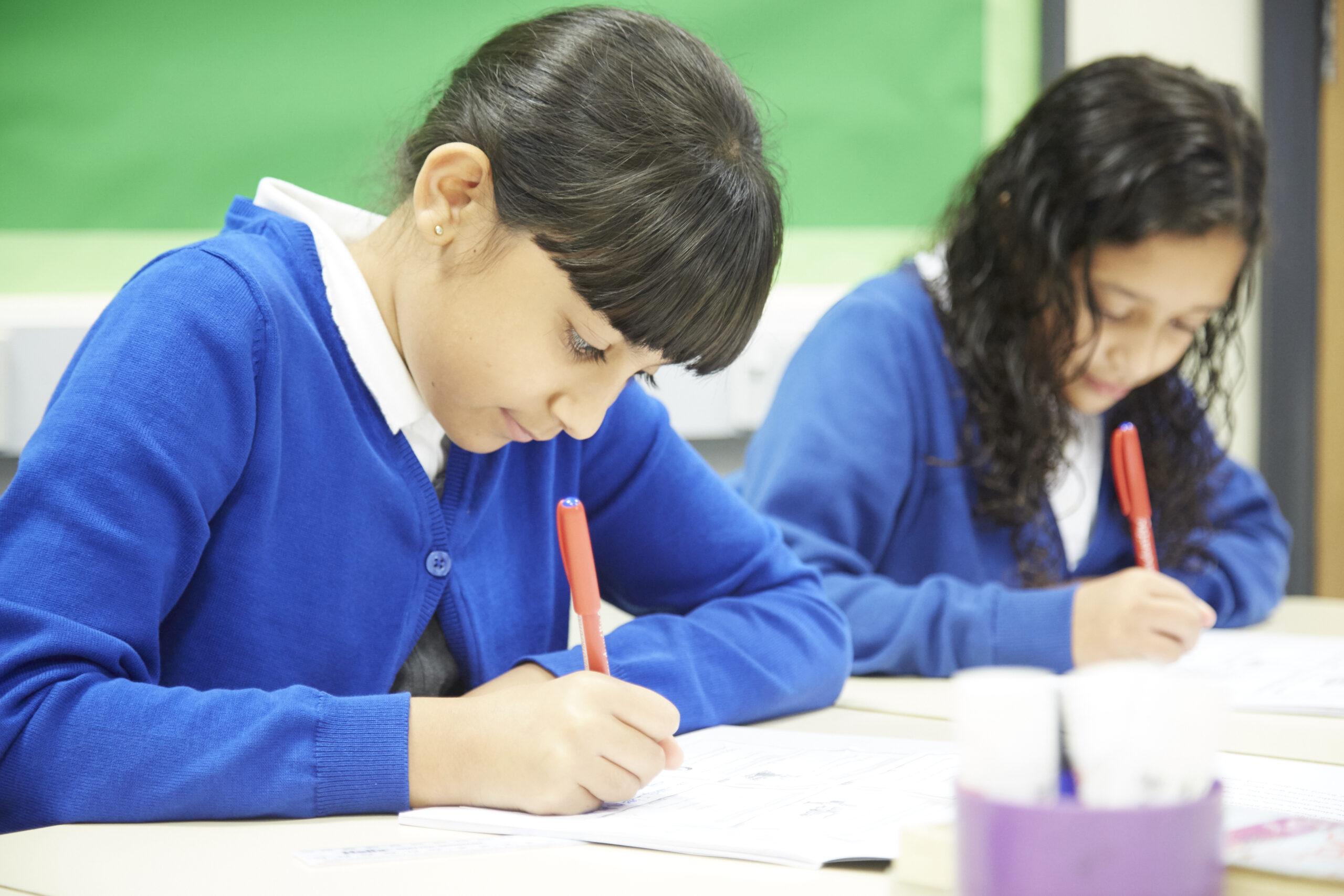
We want to inspire our children to be confident writers who are able to express their thoughts and ideas clearly by using a variety of exciting and engaging stimuli such as books and video clips. Our writing curriculum has been carefully sequenced, building on prior learning, so as children progress through school, they encounter a wide variety of genres. We teach our children to write for a variety of audiences and purposes, applying appropriate punctuation, grammar and using fluent, legible and speedy handwriting. Grammar elements are taught in a logical manner and closely linked to the genre of writing being taught.
Spelling
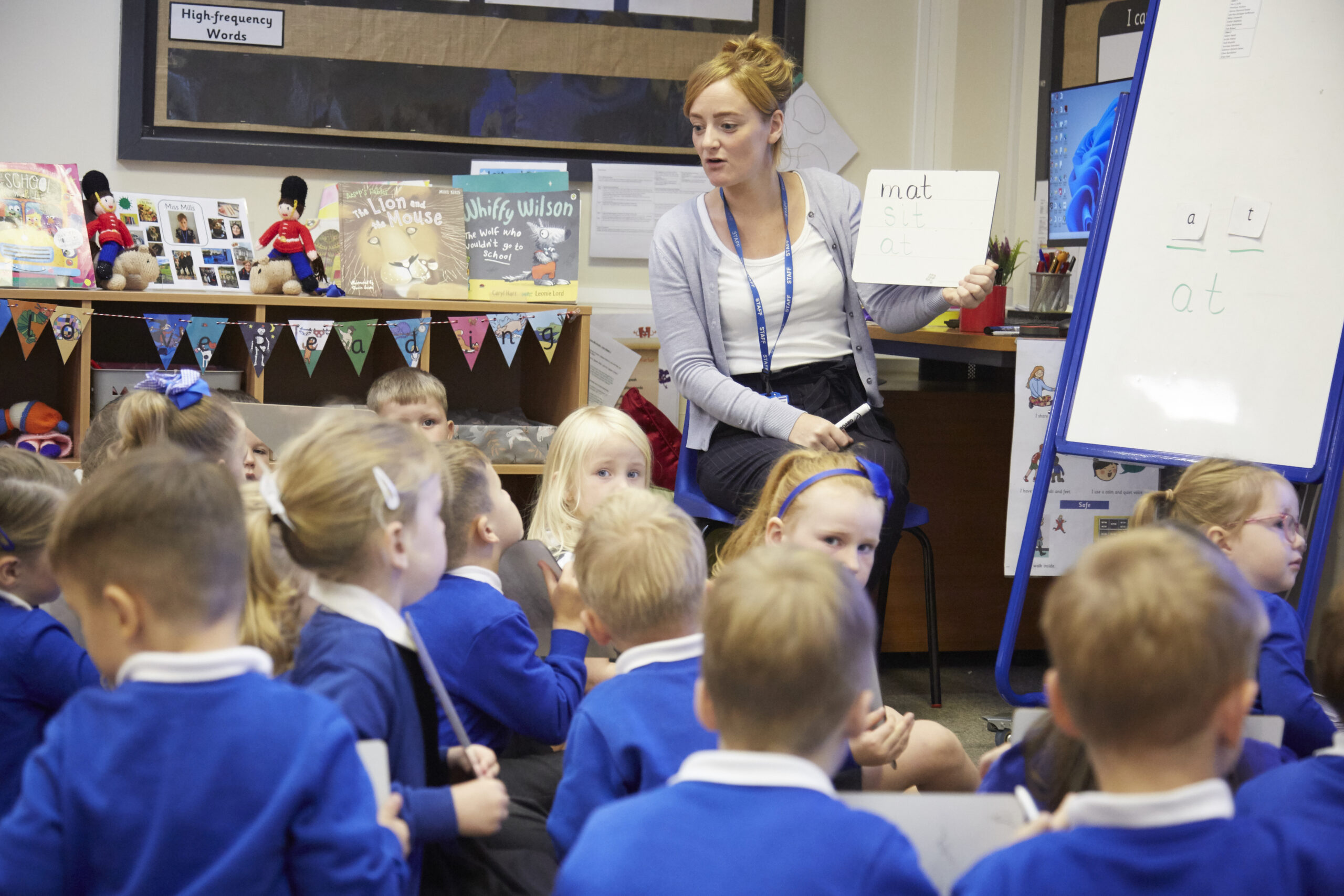
Our Sounds-Write phonics programme is based on both reading and writing words together. Children are taught explicitly the conceptual knowledge that is essential to make sense of the English alphabetic code:
- Letters are symbols (spellings) that represent sounds.
- A sound may be spelled by 1, 2, 3 or 4 letters.
- The same sound can be spelled in more than one way.
- Many spellings can represent more than one sound.
Dictation is used across Reception and KS1 as a way for children to practise spelling without having to compose sentences themselves, lessening the cognitive load.
In KS2 the Sounds-Write approach is continued with children investigating the phonic, morphology and etemology of carefully selected word lists to strengthen their spelling skills and build vocabulary acquisition using Spelling Shed to support.
Composition
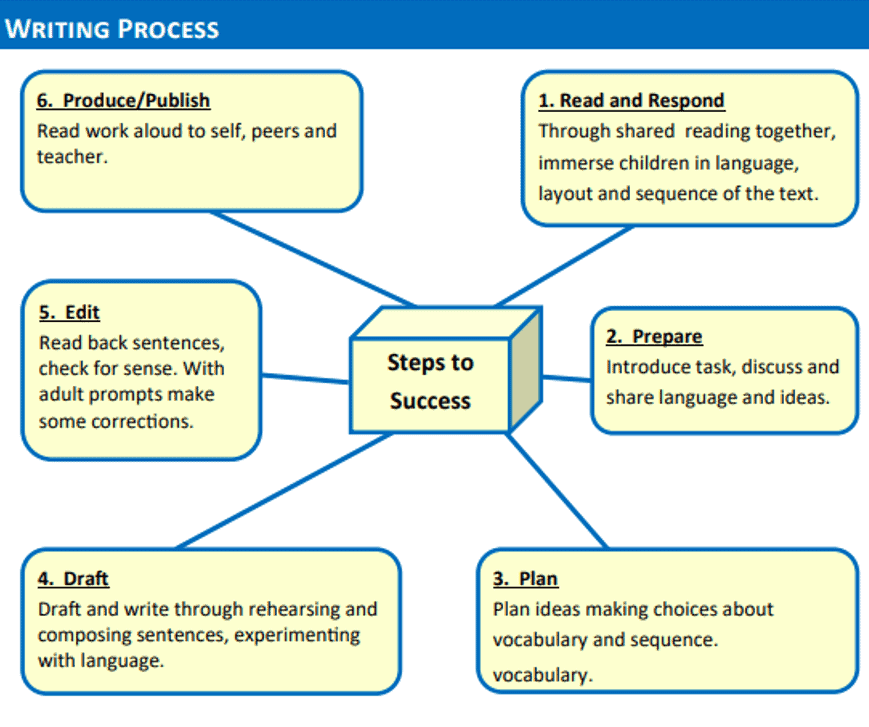
In order to write successfully, children need to be able to compose orally (that is, to say out loud what they want to write) so in Year 1 children practise saying their sentence clearly to an adult before writing it down. This continues into Year 2 and KS2 within our writing cycle of Read& Respond, Prepare, Plan, Draft, Edit and Produce or Publish.
Handwriting
In line with the Strong foundations in the first years of school 2024 report, in EYFS and KS1 we teach our children the foundations for speedy and fluent handwriting: good writing posture, correct pencil grip and accurate letter formation. To support this, we make sure children understand which letters belong to which letter families and they practise these.
As children progress through KS2, they are introduced to the diagonal and horizontal strokes that are needed to join letters. Handwriting is expected to be a high standard across all curriculum writing. We intend for all our children to leave school being able to use fluent, legible and speedy handwriting ready for the demands of secondary school.
