Religious Education
We may have different religions, different languages, different coloured skin, but we all belong to one human race. — Kofi Annan
Welcome to RE at Acklam Whin
At Acklam Whin, we value, respect and celebrate the diversity of religions and Worldviews that we experience locally, nationally and globally. Our lessons are delivered in line with the Middlesbrough SACRE Agreed Syllabus, and we use the Jigsaw RE programme as our scheme of work.
We intend that Religious Education will:
- adopt an enquiry- based approach as recommended by Ofsted, beginning with the children’s own life experience before moving into learning about and from religion.
- provoke challenging questions about the meaning and purpose of life, beliefs, the self, and issues of right and wrong, commitment and belonging. It develops pupils’ knowledge and understanding of Christianity, other principal religions, and religious traditions that examine these questions, fostering personal reflection and spiritual development.
- encourage pupils to explore their own beliefs (religious or non-religious), in the light of what they learn, as they examine issues of religious belief and faith and how these impact on personal, institutional and social ethics; and to express their responses.
- enable pupils to build their sense of identity and belonging, which helps them flourish within their communities and as citizens in a diverse society.
- teach pupils to develop respect for others, including people with different faiths and beliefs, and helps to challenge prejudice.
- prompt pupils to consider their responsibilities to themselves and to others, and to explore how they might contribute to their communities and to wider society. It encourages empathy, generosity and compassion.
- develop a sense of awe, wonder and mystery.
- nurture children’s own spiritual development.
How is RE organised in this school?
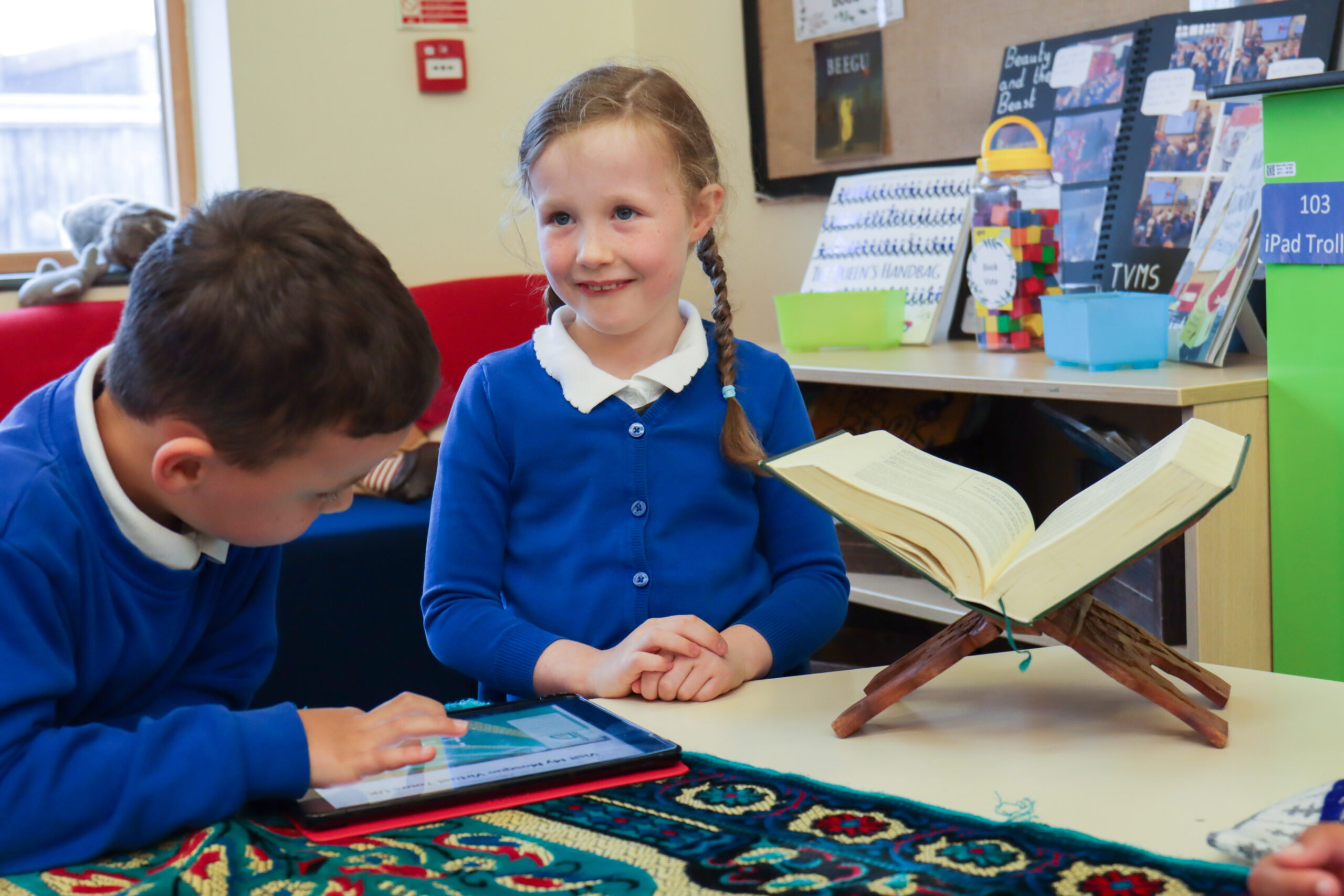
Our RE curriculum brings together learning about and from religion, questioning and spiritual development in a comprehensive scheme of learning. Teaching strategies are varied and are mindful of teaching and learning theories and the need for adaptive teaching. Each enquiry starts from the children’s own life experiences using these as a bridge into the investigation of the religion being studied.
Learning is assessed and children have opportunity to express their own thoughts and beliefs and empathise with believers of that religion or belief position.
As they move through school, children study Christianity, Islam, Judaism, Santana Dahm and Humanism, look at key beliefs, festivals and practices.
Real- Life Learning
RE gives particular opportunities to promote an ethos of respect for others, challenge stereotypes and build understanding of other cultures and beliefs. This contributes to promoting a positive and inclusive school ethos that champions democratic values and human rights. Fundamental British Values are intrinsic to our RE curriculum.
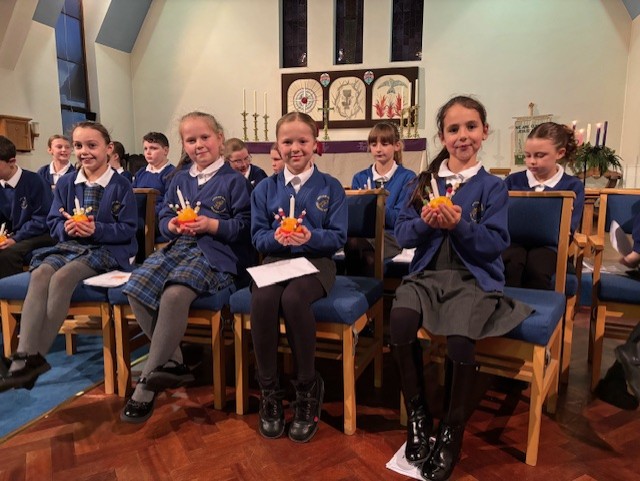
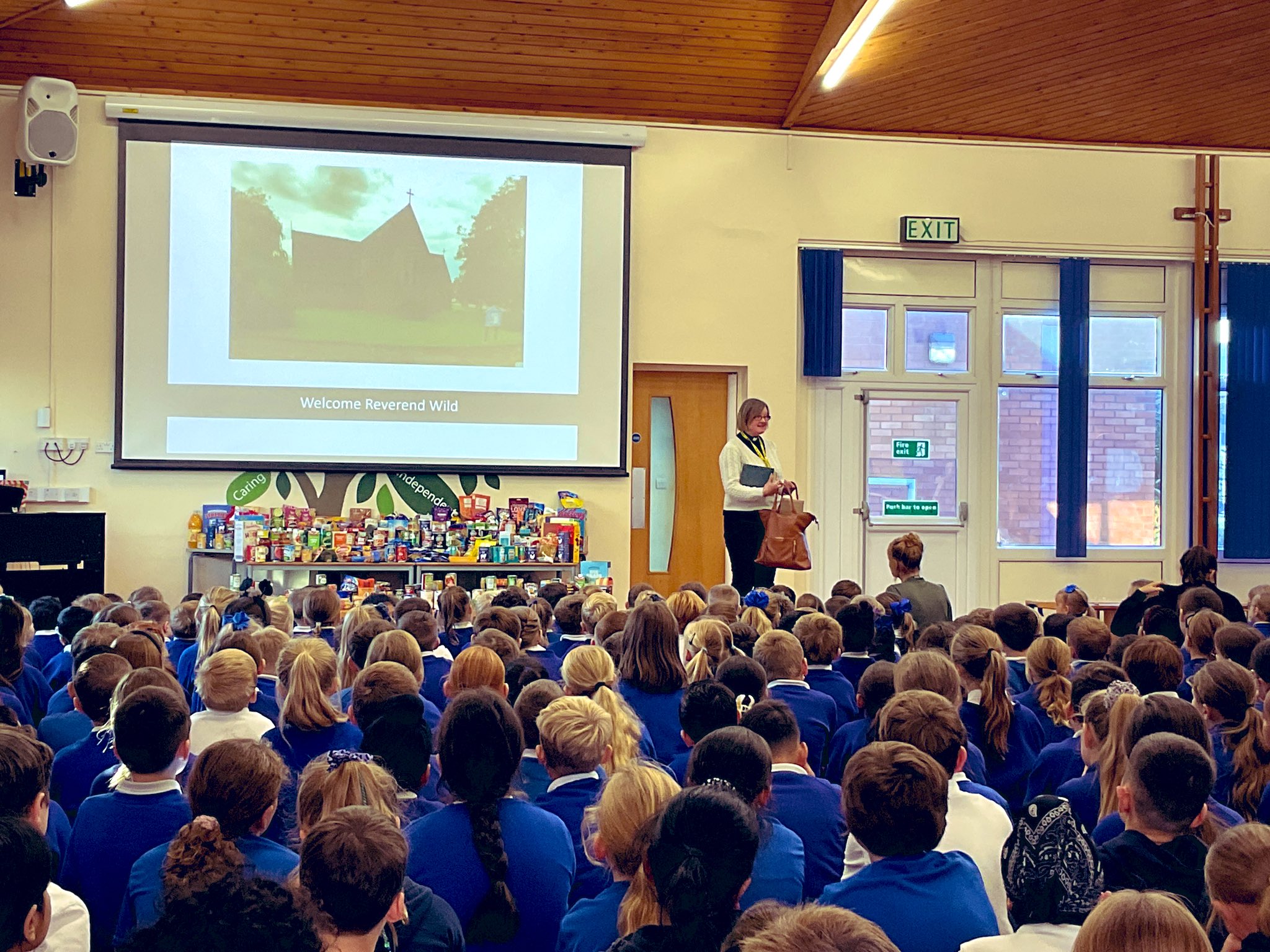
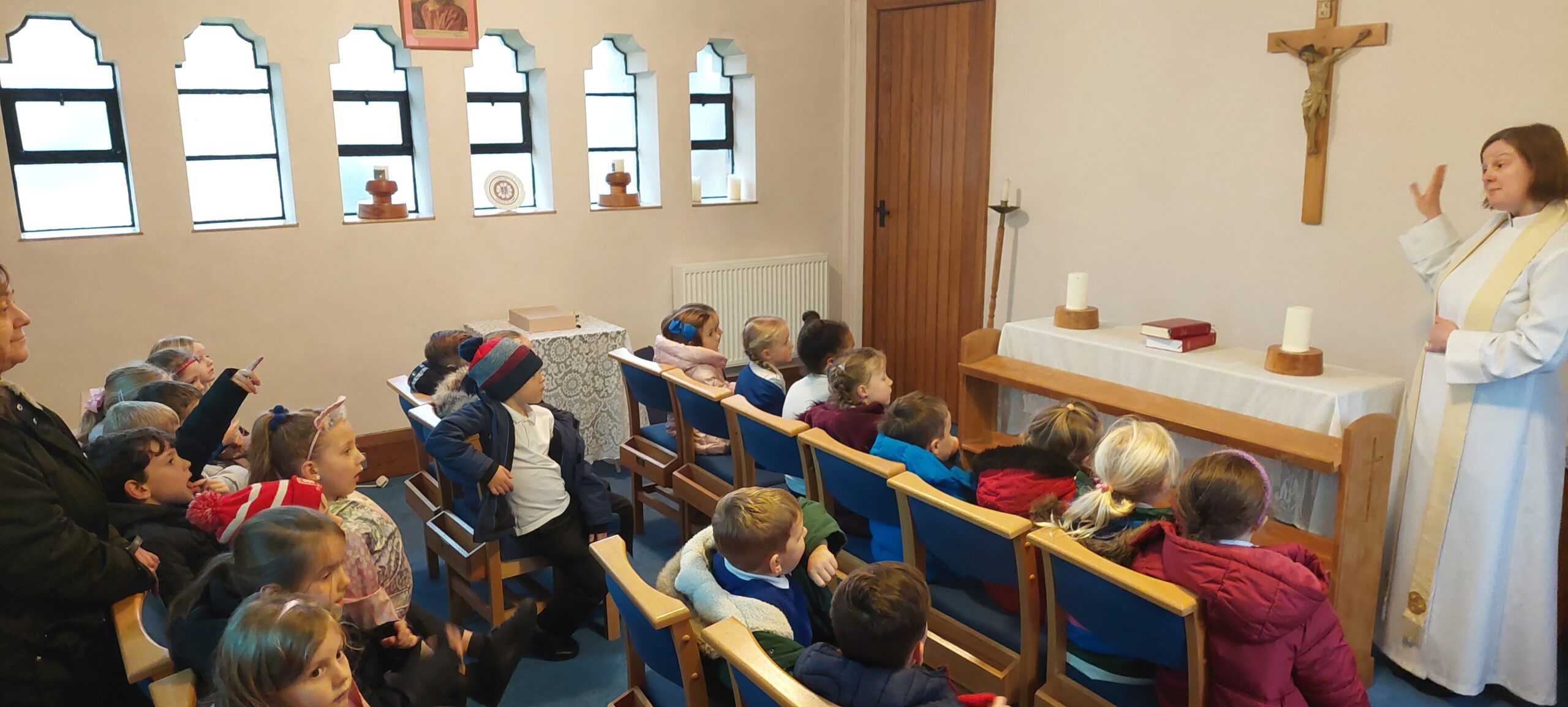
External contributors from the community, e.g. local clergy, local members/speakers from other religions etc make a valuable contribution to the RE programme as do visits to places of worship. Their input is carefully planned and monitored so as to fit into and complement the programme. Teachers are always present during these sessions and remain responsible for the effective delivery of the RE programme.
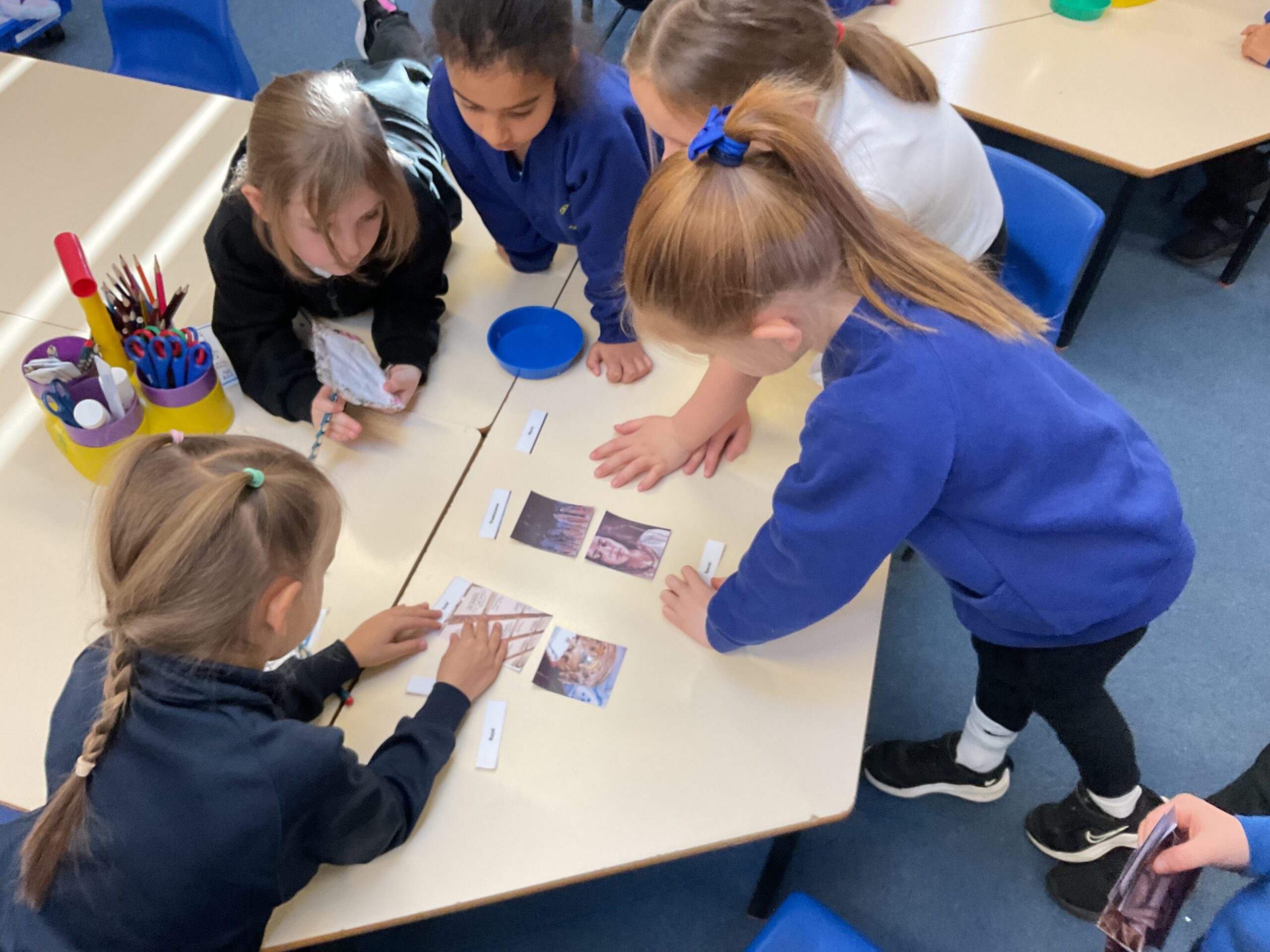
The Learning Environment
Establishing a safe, open and positive learning environment based on trusting relationships between all members of the class, adults and children alike, is vital. To enable this, it is important that respect for each other’s views and beliefs and those of the believers of that religion is encouraged at all times and that any artefacts are handled with respect and care. For this reason we provide the Jigsaw RE Charter and visit this in all our lessons.

Withdrawal from RE lessons
Religious Education is statutory in primary schools, however, parents/carers have the right to withdraw their children from all or part of the Religious Education. Those parents/carers wishing to exercise this right are invited in to see the headteacher who will explore any concerns and discuss any impact that withdrawal may have on the child.